If you’re considering a used BMW 530i from the G30 generation, you’re probably wondering about one thing: how reliable is it once the warranty is gone?
The G30 530i is an appealing used luxury sedan. It offers excellent ride quality, a refined interior, good fuel economy, and BMW’s B48 turbocharged four-cylinder engine. But like any used European luxury car, maintenance history matters—and certain repairs can become expensive as the mileage increases.
In this guide, we’ll look at the common problems to watch for when buying a used BMW 530i, typical repair costs, and what you should inspect before making a purchase.
Is the BMW G30 530i Reliable?
Overall, the BMW G30 530i is considered one of the more sensible choices in the used 5 Series lineup. A major reason is its B48 2.0-liter turbocharged four-cylinder engine, which has proven to be relatively reliable when properly maintained.
However, reliability depends heavily on maintenance history. A well-maintained 530i can provide many years of enjoyable ownership, while a neglected example can quickly turn into an expensive luxury car.
When shopping for a used 530i, pay particular attention to:
- Complete maintenance and service records
- Engine oil or coolant leaks
- Cooling system condition
- Unusual noises during a cold start
- Transmission behavior during acceleration and low-speed driving
- Suspension noises over rough roads
- Warning lights or stored fault codes
A pre-purchase inspection by a BMW specialist is highly recommended, especially for cars that are no longer covered by the factory warranty.
Common Problems to Watch for on a Used BMW 530i (G30)
The G30 530i is generally a solid car, but there are several areas worth checking before buying one. Not every car will experience these problems, and maintenance history, mileage, climate, and driving conditions can make a significant difference.
1. Cooling System and Coolant Leaks
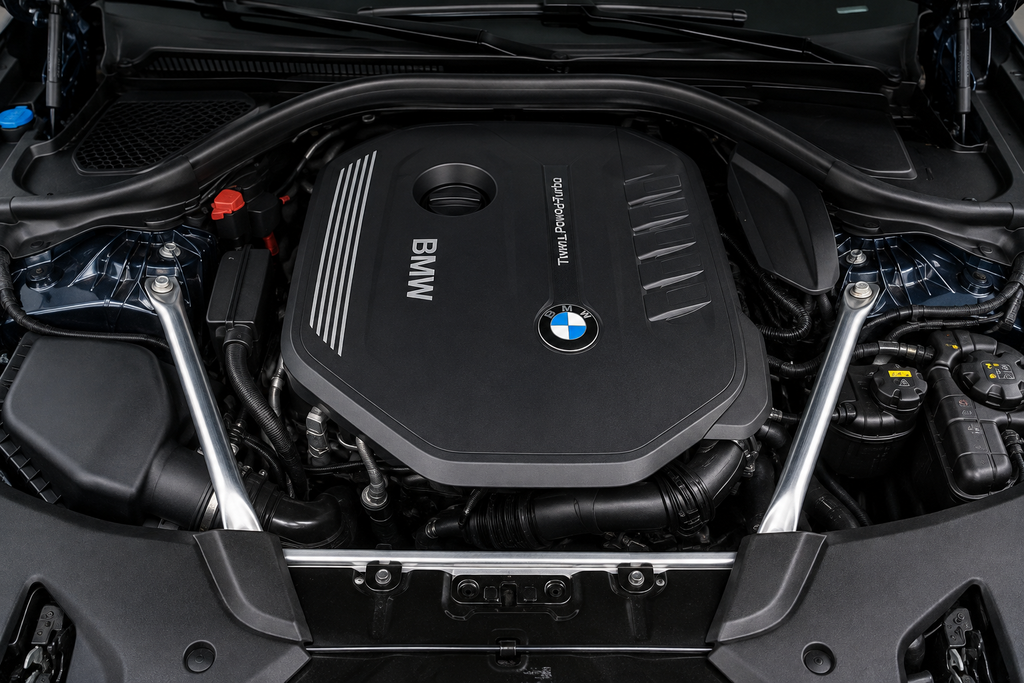
BMW turbocharged engines rely on a relatively complex cooling system. As the vehicle ages, coolant hoses, plastic fittings, the expansion tank, thermostat, or water pump may eventually require attention.
Look for coolant residue in the engine bay, a low coolant warning, or a sweet smell after driving. Even a small leak should be investigated before purchasing the car.
2. Engine Oil Leaks
Oil seepage can develop as gaskets and seals age. When inspecting a used 530i, check around the engine for visible oil residue and ask whether any gasket-related repairs have already been performed.
A small seep may not require immediate repair, but an active leak should be included in your purchase budget.
3. Suspension Wear
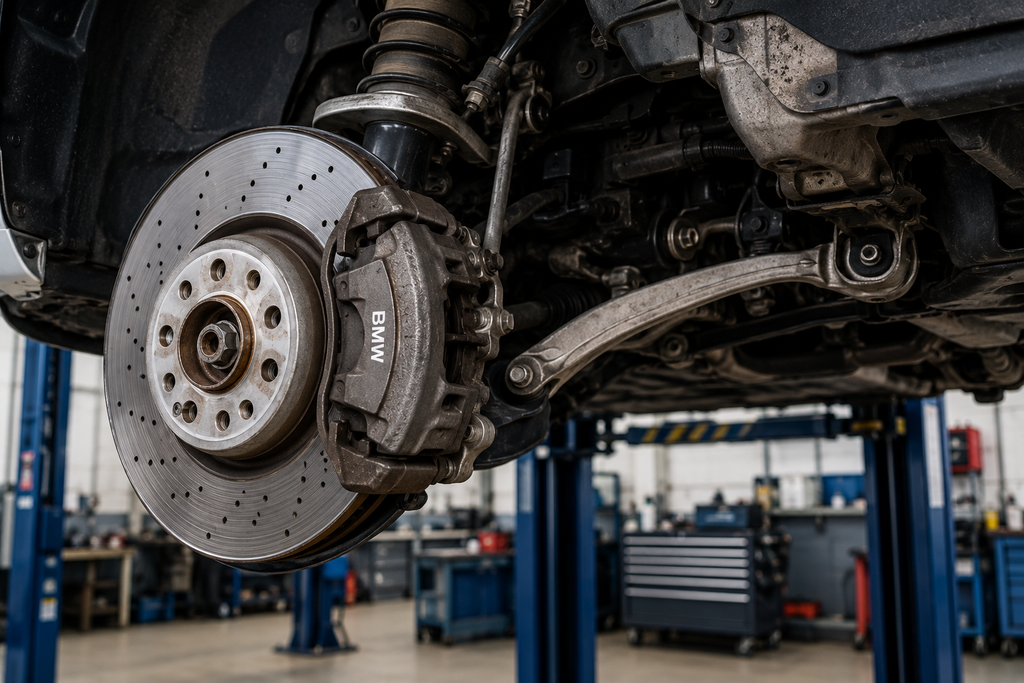
The G30 5 Series delivers an excellent balance between comfort and handling, but suspension components are wear items. Higher-mileage cars may eventually need control arms, bushings, mounts, or other suspension components.
During a test drive, listen for clunks or knocking noises when driving over bumps and pay attention to vibration through the steering wheel.
4. Electronics and Warning Messages
Modern BMWs contain numerous electronic modules and sensors. A weak battery, aging sensor, or electrical issue can sometimes trigger warning messages even when there is no major mechanical failure.
Before buying, scan the vehicle for stored fault codes rather than relying only on whether the dashboard is free of warning lights.
Typical BMW 530i Repair Costs
One of the biggest concerns when buying a used luxury car is the cost of repairs. The BMW 530i can be relatively reasonable to maintain compared with larger and more complex BMW models, but repair costs can still be significantly higher than those of a typical mainstream sedan.
Here are some rough repair-cost ranges you may encounter in the United States:
| Repair or Service | Estimated Cost |
|---|---|
| Engine oil and filter change | $100–$200 |
| Battery replacement and registration | $250–$500 |
| Coolant leak repair | $200–$1,000+ |
| Water pump or thermostat repair | $700–$1,500+ |
| Valve cover or gasket-related repair | $600–$1,500+ |
| Front control arm or suspension repair | $500–$1,500+ |
| Brake pads and rotors | $700–$1,500+ |
| Major diagnostic or electrical repair | $200–$2,000+ |
These are general estimates rather than fixed prices. Labor rates vary considerably across the United States, and repairs performed at a BMW dealership can cost more than work performed by a reputable independent BMW specialist.
For a used 530i that is no longer under warranty, keeping a repair reserve of roughly $1,500 to $3,000 can provide some protection against unexpected maintenance during the first year of ownership.
What to Check Before Buying a Used BMW 530i
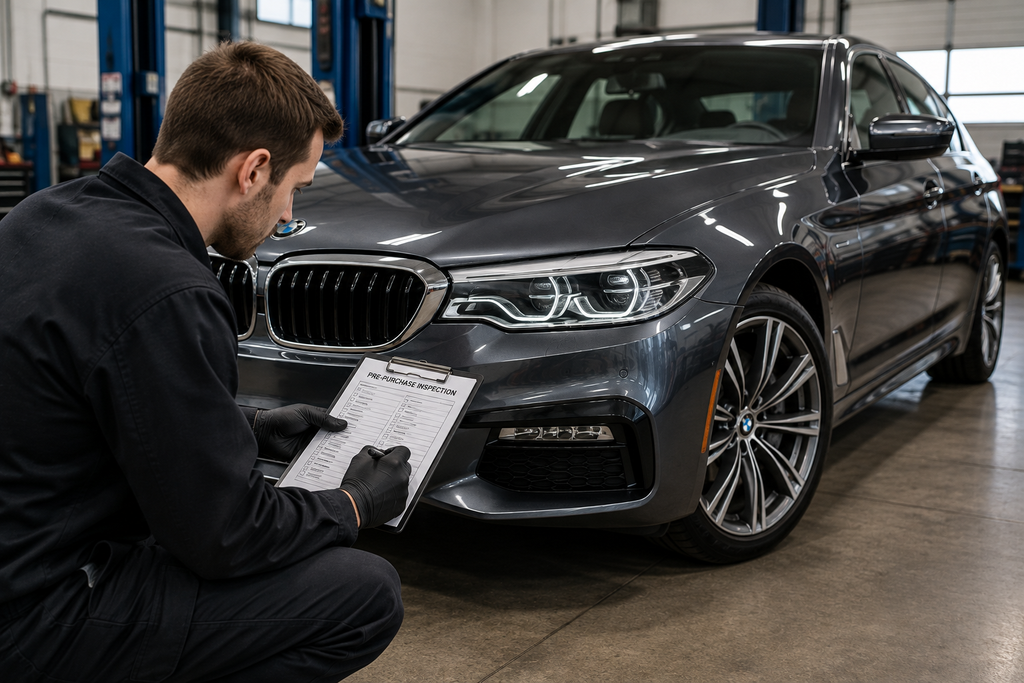
A clean exterior and a good test drive are not enough when evaluating a used BMW. Before buying a G30 530i, take some time to verify its maintenance history and mechanical condition.
Used BMW 530i Buying Checklist
- Check the vehicle history report for accidents and ownership history.
- Ask for maintenance and repair records.
- Check for oil and coolant leaks.
- Start the engine when it is completely cold and listen for unusual noises.
- Make sure the transmission shifts smoothly at both low and highway speeds.
- Test the air conditioning, infotainment system, cameras, sensors, and power accessories.
- Listen for suspension noises while driving over uneven roads.
- Inspect the tires for uneven wear.
- Check the brakes for vibration or unusual noise.
- Scan the vehicle for stored diagnostic trouble codes.
- Verify whether any factory recalls or service campaigns remain open.
- Have the car inspected by an independent BMW specialist before purchase.
A professional pre-purchase inspection may cost a few hundred dollars, but it can potentially identify repairs worth thousands of dollars. For an out-of-warranty BMW, this is money well spent.
Which Model Years Should You Consider?
Rather than choosing a 530i based only on model year, prioritize condition, maintenance history, mileage, and ownership history.
A slightly older car with complete service records can be a much better purchase than a newer car that has been poorly maintained. If two cars are otherwise similar, a well-documented example with fewer warning signs is usually worth paying more for.
Also remember that equipment and specifications can vary by model year, so verify the exact features of the individual vehicle before buying.
Is a Used BMW 530i Worth Buying?
Yes—for the right buyer, a used BMW 530i can be an excellent choice.
The G30 530i combines comfort, performance, fuel economy, and everyday usability in a package that still feels like a proper luxury sedan. Its B48 turbocharged four-cylinder engine also makes the 530i one of the more approachable options in the used 5 Series lineup.
However, the purchase price is only part of the cost of owning a used BMW. Maintenance history is extremely important, and buyers should be prepared for higher repair costs than they would expect from a mainstream sedan.
The best used 530i is not necessarily the newest or the lowest-mileage example. Look for a car with a clean history, consistent maintenance records, no major warning signs, and a successful pre-purchase inspection.
Bottom Line
If you find a well-maintained BMW 530i and keep a reasonable maintenance and repair budget, the G30 can offer a lot of luxury car for the money.
Buy one based on condition and maintenance history—not just price or mileage.
Leave a Reply